

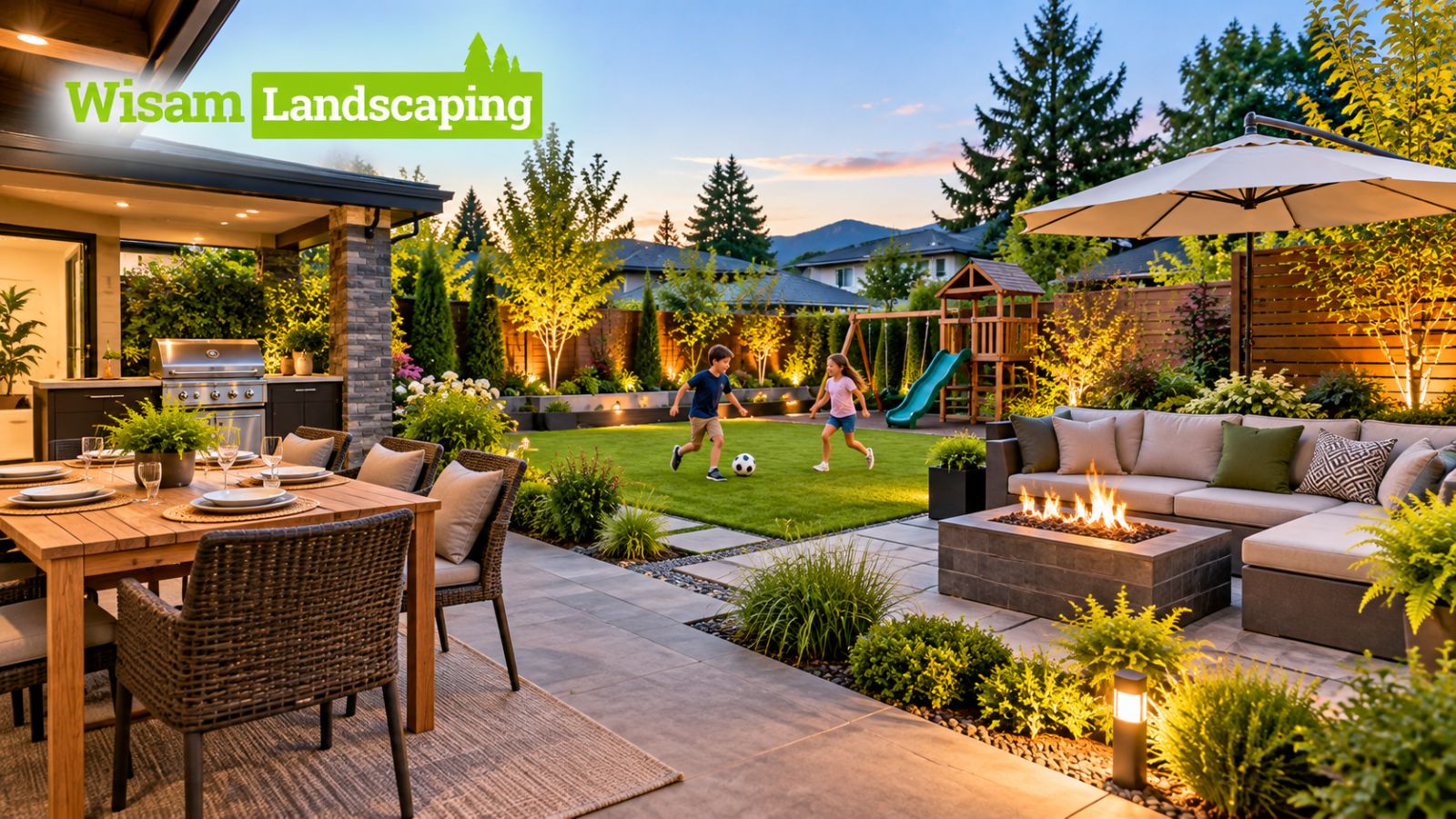
The backyard must not only be visually appealing. It must suit the activities of the people using it. Some households require space for children to play. Some want a peaceful garden, a spot for outdoor dining, or an area to entertain guests. Other people need all those facilities in their backyard.
Good backyard landscape design in Vancouver begins by considering your lifestyle. The size of the yard, exposure to sunlight, drainage, maintenance requirements, and your budget will also be considered.
Having a good landscape design in Vancouver backyard can make it easy for you to use the space. Moreover, it will assist in forming a better connection between your house and the garden. Before choosing plants, paving, and even furniture, you should think about the usage of the area.
One of the best ideas in backyard landscape design is dividing the space into various zones. You don’t have to construct walls to divide the spaces. Vegetation, paving, garden beds, screening, and changes in ground levels are some ways to create separation.
A backyard may include:
Each zone should have a clear purpose.
Place areas that you use often close to the home. For example, an outdoor dining area can sit near the kitchen. This makes it easier to carry food and drinks outside. A garden or quieter seating area can sit farther away. This simple layout can make the backyard easier to use.
Space is needed in a family backyard. A lawn can provide flexible space. Children can play on it. Pets can use it. Guests can gather there. You can also use it as an open visual area.
But a large lawn also needs maintenance. Think about how much lawn you really need. For example, a 20 m² lawn can provide useful open space in a small backyard. A larger family yard may need more. The right size depends on the activities you plan to use it for.
Outdoor living is an important part of modern landscape design in Vancouver.
A simple outdoor living area may include:
If you enjoy hosting guests, design the backyard around entertainment. An outdoor dining area can become the centre of the space.
You may also want:
Keep food preparation areas close to the house where practical. Also consider where guests will walk when they enter the backyard. A custom landscape design can reduce congestion.
Families with children need safe and flexible outdoor space. A play area can include open lawn, soft planting, or a dedicated play zone.
Avoid placing fragile plants in areas where children play frequently. You should also keep pathways clear. Think about visibility.
Parents may want to sit in one area while still being able to see children playing. This can make the backyard easier for family use. Wisam Landscaping can offer the best landscape designs at affordable costs.
Your pets might influence the backyard landscape design in Vancouver. Dogs might require an area to roam about. Some types of dogs enjoy digging or running along the edges of the property.
Think about developing a distinct pet-friendly area. Select plant varieties and ensure that they are pet-friendly plants. It is essential to have a safe boundary. It all depends on the size of the pet you own.
Plants should match the conditions of the site.
Before choosing plants, consider:
Local conditions should influence landscape design in Vancouver. The landscape designer must take into account exposure, soil quality, drainage, climate, and plant adaptation to the location.
Each portion of the yard has its own microclimate. One section may get six to eight hours of sunlight per day while another gets just a few hours. This difference can affect plant selection. A site assessment can help identify these conditions before installation begins.
Hardscaping includes non-plant features such as:
These features help define outdoor areas. A paved path can connect the house to the garden. A patio can create a clear dining or seating area.
Retaining structures may help manage changes in ground level where appropriate. Good hardscaping should support the way you use the yard.
Drainage should form part of the design from the beginning. Water can cause problems when it collects near the house or remains on paved areas. A landscape plan should consider how water moves across the property.
Depending on the site, solutions may include:
The right solution depends on the property’s conditions. A drainage issue should not simply be covered with new landscaping. The cause should be assessed first.
Privacy can make a backyard more comfortable.
You can create privacy with:
Avoid blocking every view if the yard is small.
Lighting can extend the use of your backyard into the evening. You do not need bright lights everywhere. Use lighting where it serves a purpose.
For example:
| Area | Lighting Purpose |
| Pathways | Safer movement |
| Steps | Improve visibility |
| Patio | Support outdoor use |
| Dining area | Provide useful light |
| Garden beds | Add visual interest |
| Entry points | Improve visibility |
The lights used outdoors must complement the landscaping and the installation.
Not every homeowner likes spending a lot of time every weekend maintaining their garden. This is especially the case for individuals who lead hectic lives.
These may include:
Low maintenance does not mean no maintenance. Every outdoor space still needs some care.
The purpose for the backyard will change during each season. You may use it more during the warmer season than in the colder seasons. There is no need to worry about your backyard since its design can provide interesting features all-year-round. Consider combining various types of plants that have varied textures and seasons.
Good pathways connect the different zones.
The main route should be easy to understand.
For example:
House → Patio → Lawn → Garden
Avoid creating unnecessary paths.
Pathways should also suit the people who use them.
A clear budget can help guide design decisions. Start by listing the features you want.
For example:
| Feature | Priority |
| Patio | High |
| Lawn | Medium |
| Garden beds | High |
| Outdoor lighting | Medium |
| Privacy screen | High |
| Outdoor kitchen | Low |
| Water feature | Low |
This helps separate essential features from optional ones. You can also complete the project in stages. For example, you could build the patio and pathways first. Planting and additional features can follow later.
A professional can help bring different parts of the design together.
They can assess the site and consider factors such as:
When choosing a landscaping expert, enquire about their experience with projects like yours. Ask for references of work done by the expert before and a description of the scope of work. Ensure that you understand the items included in the quote.
Small backyards require thorough planning. Do not fill all areas with various features. Rather, create a few well-defined spaces. Use uniform paving stones to give an integrated look to your backyard. Vertical gardening is another technique that utilizes minimal floor space. Make use of built-in seating to conserve space.
Sometimes a large yard feels empty. Paths, plantings, seating and garden structures will make the yard feel connected. Create smaller outdoor rooms.
For example:
These zones can make a large backyard feel more useful.
A simple planning process can prevent costly changes later.
Record the length and width of the backyard.
Note trees, fences, drains, doors, sheds, and other fixed features.
Observe how sunlight changes during the day.
Write down the activities you want to support.
Give each part of the backyard a clear purpose.
Select suitable paving, plants, structures, and other materials.
Address these needs before construction begins.
Check that the design fits your available budget.
Some planning mistakes can create problems later.
Too many features can make a backyard feel crowded.
Poor drainage can damage plants and outdoor surfaces.
Plants need suitable light, soil, and water.
A beautiful garden can become difficult to manage if maintenance needs are too high.
People should be able to move easily between important areas.
Think about how your family may use the backyard in the next 5 to 10 years.
There are some things that you must consider if you have to design a practical backyard. First, consider your activities in your life. Then decide on creating zones for dining, relaxation, gardening, play, or even entertainment.
Good backyard landscape design in Vancouver also has to think about drainage, light availability, accessibility, materials, maintenance, and site conditions. You don’t have to put all the available features into your backyard. A simple and well-planned design can sometimes be sufficient.
Be it a family lawn, a personal garden, or an entire entertainment zone, a well-designed backyard is always within reach. For beautiful landscape design in Vancouver, you can connect with Wisam Landscaping.
Think about usage, users, budget, maintenance, sunlight, drainage, and future requirements.
Patios, paths, landscaping, screening, lawns, and garden beds can be used to create different zones in your backyard.
Use fewer zones, simpler paving, vertical landscaping, built-in seating arrangements, and well-defined paths in your design. Don’t try to fill your entire yard.
Maintenance depends on the plants, lawn size, irrigation, and materials. Low-maintenance designs can reduce regular work but still need care.
Yes. Drainage should form part of the early planning process. The right solution depends on the property’s slope, soil, surfaces, and existing drainage conditions.