

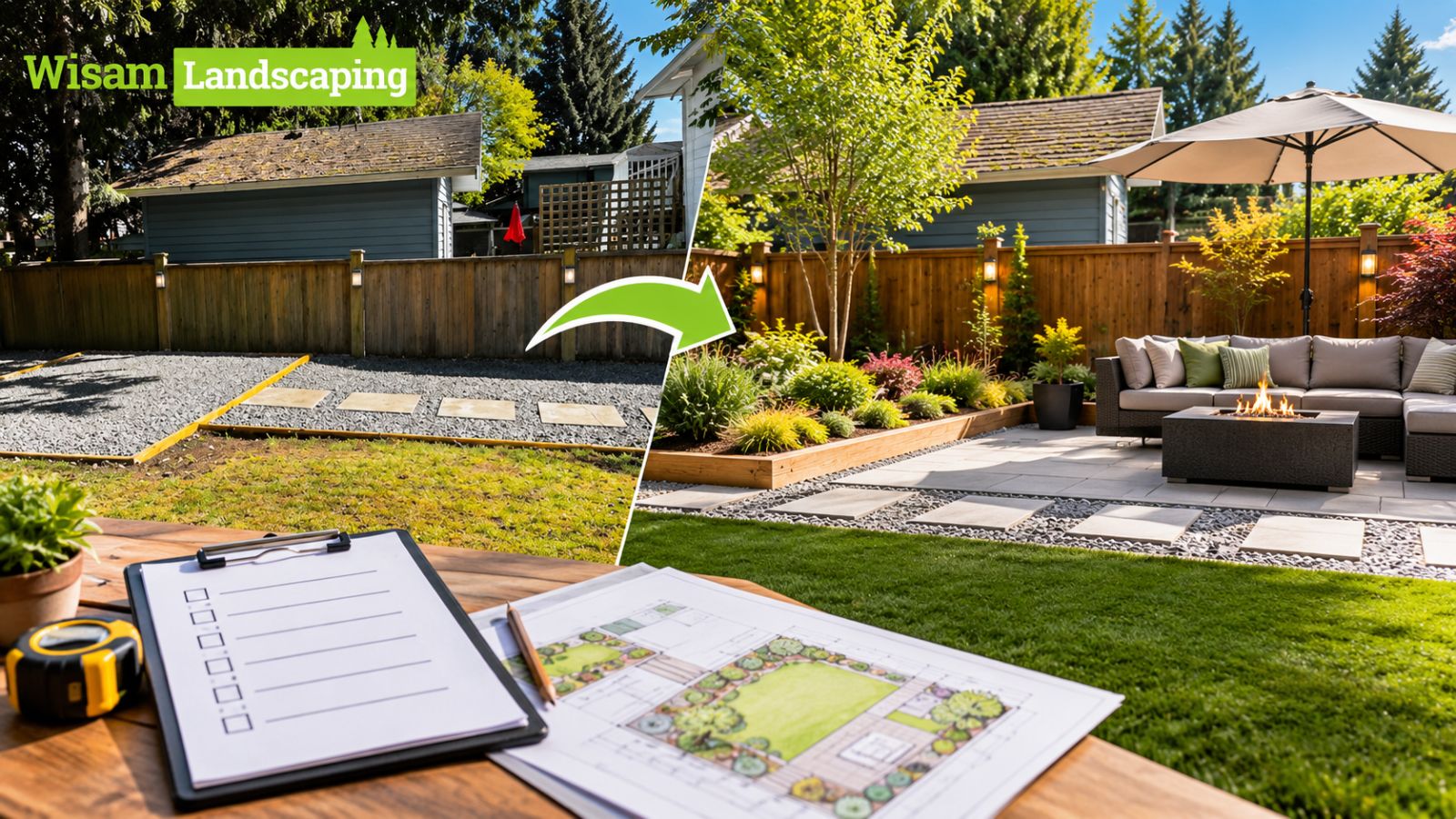
A landscape design could begin with such a simple statement as “We do not use the backyard anymore.” Either the yard has become hard to take care of, or the patio is too small for the whole family, or the garden looks old-fashioned, or there is just no good place to sit outdoors. These are some of the problems. No matter what the case may be, landscaping project planning will make a huge difference.
But before going shopping or choosing pictures of the gardens one likes, it is recommended to do some careful planning. Some basic planning could save you money and would help you present your ideas to a landscaper in a clear manner. If you are considering hiring a landscaping company in Vancouver, use the following checklist before getting started.
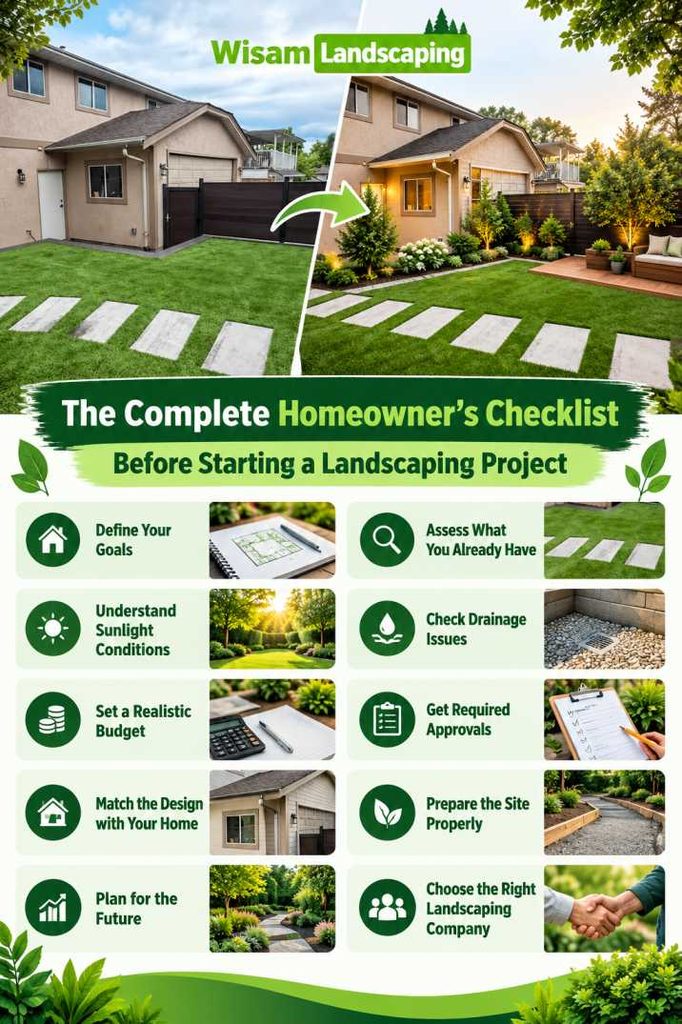
Think about what happens in everyday life rather than how the garden looks. What do you envisage doing in the backyard? It could be having a place to eat outdoors in summer. It may be that the kids need some room to play or that you need a spot to sit quietly after a day at work. It might be all about entertaining. You don’t need to have a design in your mind yet. Just list the activities.
You might wonder: even an old garden bed could be useful once the plants are changed. Also look for problems. Is water collecting near the house after rain? Are there uneven sections of ground? Is the fence in poor condition? Are some areas difficult to access? Take a few photos while you are doing this. They can be useful later when discussing the project. Wisam Landscaping allows you the time to focus on what you actually want and how you can get the best results.
Observe sunlight for a day. Where does your yard receive sunlight in the morning? What is the location with the brightest afternoon sunlight? Where is there an area which remains shady all day long? There is no need to make measurements; you just need to make an estimation.
This knowledge will come in handy when selecting plants and placing the patio, seating area, or flowerbed. Some plants may love the sun, but an outdoor eating place is better off somewhere else in midsummer.
Landscaping costs can vary significantly based on the size of the project. It pays to determine the maximum spending level early in the process. In case the list of requirements is longer than the available budget, it doesn’t mean that the entire project is doomed to fail. There are homeowners who approach landscaping in phases, beginning with the most used parts. Sometimes this is an efficient way to achieve the desired garden while avoiding excessive strain on the budget.
Your garden need not resemble the house entirely, but it needs to blend well with the architecture of your house. A contemporary house can easily combine with the simple style of lines, larger pavement areas, and selected planting. A more conventional house requires planting and less structured garden design. Consider the colours and materials in use on your property.
Do not plan only for the day the project is finished. Plants grow. Families change. Your usage of the outdoor area will also transform.
A big lawn might suit you now that you have kids, but in the future, it will have less importance. The tree that is smaller now could turn into the largest one in your yard in the future.
Do not forget about the appearance of the backyard in five years; focus also on how you will want it to be in the future. Think about where you want the backyard to be in five years, not just how you want it to look on completion day. A little planning now can prevent major changes later. Landscaping project planning should definitely focus on gardens.
Prior to any excavation or construction, ensure that all the necessary preparatory work is taken into account. These might include site clearing, site preparation, drainage, levelling, and the disposal of existing vegetation.
In certain cases, there may be additional local considerations involving fences, retaining walls, buildings, and other structures.
If you are unsure, speak with your landscaping company in Vancouver or check with the relevant local authority before work begins. Sorting out these details early can help prevent delays once the project is underway.
Water drainage might be one of the most boring parts of your garden, but it could end up becoming the most critical.
Check places where water pools in case it rains. There could also be muddy spots, signs of soil erosion, or water flowing into the house.
In case you are experiencing any drainage problem currently, point it out early on. The reason is that there is no point in creating all the other features when the rainwater has no place to drain out to.
Good site preparation should take existing drainage conditions into account before landscape construction begins.
Budget planning should happen early. Once you have a clearer idea of what you want, start comparing landscaping professionals. Do not choose someone based only on the lowest price.
Look at their previous projects and see whether they have experience with work similar to yours. You should also pay attention to how clearly they communicate. A good landscaping company in Vancouver should be willing to listen to your needs and explain how the proposed work will come together.
The questions below show that what helps most is knowing what matters to you.
Your outdoor living depends on how you use the yard. Describe to the landscaper how the backyard is used now. Perhaps you entertain friends on weekends, have children who require a place to play, or just enjoy a peaceful place for relaxing. This information will affect the design more than you think.
If a specific type of shrub, paving stone, or drainage method is recommended, find out why. It could be because of sunlight, soil conditions, maintenance issues, or drainage problems on your property. This will make it easier to determine whether it is appropriate for you.
Explain to the landscaper how much money you are willing to spend. If the initial proposal seems more expensive than you planned, see if the project can be reduced or done in phases. There might be a number of ways to achieve a similar effect.
Have you saved pictures of gardens you love? Bring them along. You don’t need to recreate those gardens. The photos simply give the landscaper a better idea of your taste. You might like clean modern lines, lots of greenery, natural stone, or a particular type of outdoor seating.
If you don’t want a large lawn, dislike a certain paving material, or have no interest in high-maintenance plants, say so. A good landscaping conversation should work both ways. The more clearly you explain your preferences, the easier it becomes to create a garden that actually feels like your own.
Before giving the final instruction, go through the plan one more time. Make sure you understand the layout, materials, planting areas, and major features. Check the agreed budget and project timeline as well.
If something has changed since the first consultation, mention it before construction starts. Changes can sometimes become more difficult or expensive once work is underway. A final review gives everyone a chance to make sure they are working from the same plan.
Before work starts, make sure you have considered:
Having a landscaping project checklist does not mean you need to make every decision yourself. It simply helps you arrive at the planning stage with a clearer idea of what you need.
Landscaping doesn’t need to use the most costly elements or the highest quantity of them. The garden needs to suit the homeowners.
It’s necessary to spend some time observing what is working now, what is not, and what you really would like to do in the outdoor area. You should think about the budget, maintenance, and future modifications. And then take the idea to the right professional.
Whether you are starting a small backyard improvement or a larger landscaping project, good landscaping project planning can make the process much easier.
Start with how you want to use the space. A good contractor can then help turn those everyday needs into a practical outdoor area that suits your home and your lifestyle. To get the best landscaping company in Vancouver, you can get in touch with Wisam Landscaping.
Determine your purposes, budget, and maintenance capabilities.
Take into account such things as light availability, soil conditions, space available, and the maintenance needs of plants during their growth.
A landscaper can assist you with the design of your backyard, drainage, plant selection, materials, and proper arrangement.
It depends on the magnitude and complexity of the project you are about to undertake. Ask for a detailed quotation before choosing the final design.
Select the right plants and minimise high-maintenance zones. Plan your irrigation and garden layout.