

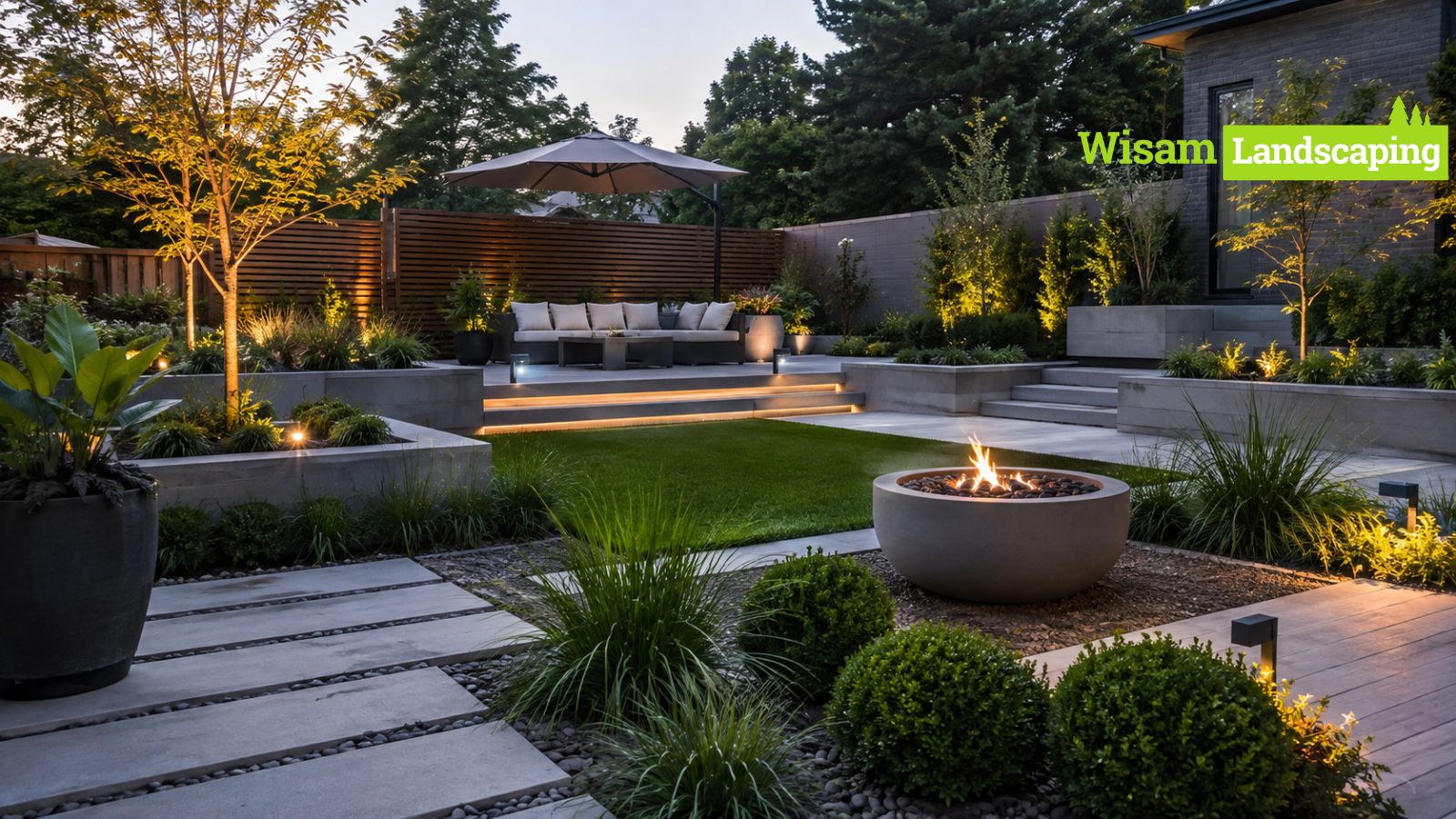
Vancouver homeowners are rethinking what a backyard should do. It is no longer simply a patch of lawn, a few shrubs and a patio. Today, outdoor spaces are being planned around water management, privacy, biodiversity, entertaining, year-round usability and changing summer conditions. The most useful Landscape Design Trends in Vancouver homeowners should know are not just about appearance—they respond to how Vancouver properties actually experience rain, shade, compact lots and increasingly dry summers. If you are planning a new garden, upgrading an existing yard or considering Landscape Design in Vancouver, understanding these trends can help you spend money more strategically and create an outdoor space that works for years.
Vancouver’s landscape conditions create a distinctive design challenge. The region receives substantial rainfall, but that does not mean every garden should be designed around constant moisture. Local climate projections indicate that Vancouver is expected to experience less average summer rainfall and longer dry spells, increasing stress on trees and vegetation and potentially creating greater demand for water-efficient landscaping.
At the same time, winter and shoulder-season rainfall can create drainage and runoff problems, particularly where gardens contain extensive concrete, paving or compacted soil. Metro Vancouver recommends strategies such as rain gardens, mulch, trees and alternative permeable driveway or walkway materials to help rainwater soak into the ground rather than immediately flowing towards storm drains.
That combination—wet periods followed by increasingly dry summers—is influencing modern Landscape Design. A successful Vancouver garden needs to manage water rather than simply use more of it.
For homeowners, this means good design starts with the site. Before choosing plants or patio materials, a designer should consider sun exposure, soil, slope, drainage, existing vegetation, property boundaries, access, maintenance expectations and how the household intends to use the space.
One of the most important Sustainable Landscaping trends is moving away from the idea that every part of a garden needs to be irrigated and maintained in the same way. Instead, different areas can be designed according to their moisture conditions.
A low area that naturally collects runoff may be suitable for moisture-tolerant plants, while a raised, sunny bed may be better suited to drought-tolerant species once established. Metro Vancouver’s stormwater guidance recognises different moisture zones, ranging from wet areas capable of handling temporary saturation to dry areas suitable for drought-tolerant plants.
This approach can reduce unnecessary irrigation and make planting more resilient. It also makes the garden more visually interesting because different zones can have distinct textures, heights and seasonal characteristics.
Rain gardens are becoming increasingly relevant to residential landscapes because they combine aesthetics with practical stormwater management. They are typically shallow planted areas designed to temporarily receive and infiltrate runoff.
Vancouver’s green rainwater infrastructure programme describes rain gardens as planted features that can capture and help clean rainwater, while the city’s broader strategy aims to increase the use of green infrastructure on public and private property.
For a homeowner, the concept does not necessarily mean installing a large engineered feature. A carefully graded planting bed, appropriate soil and suitable plants can sometimes become part of a broader rainwater strategy. The important point is that drainage should be considered during Landscape Planning, rather than treated as an afterthought once the garden has already been installed.
Plant selection is moving towards species that are appropriate for Vancouver’s growing conditions rather than simply choosing whatever looks attractive at the nursery. A beautiful plant can still become an expensive mistake if it requires constant watering, struggles in shade or becomes too large for the available space.
The City of Vancouver recommends drought-tolerant species where appropriate and advises homeowners to consider sun exposure, mature plant size, seasonal interest and plant diversity. It also recommends combining plants that flower at different times and including evergreens for winter structure.
This is where thoughtful Garden Design becomes more valuable than simply purchasing plants individually. Instead of asking, “Which plants look good?”, homeowners should ask:
Those questions can prevent the common cycle of planting, struggling, removing and replacing.
Large expanses of lawn have traditionally been a familiar feature of suburban gardens, but many Vancouver homeowners are reducing lawn areas in favour of planting beds, patios, pathways and multi-purpose spaces.
This does not mean eliminating grass altogether. A smaller, well-positioned lawn can be more practical when it serves a clear purpose, such as children’s play, pets or informal recreation. The difference is that the lawn becomes one component of the overall garden rather than consuming most of the available space.
Reducing unnecessary lawn can also make maintenance more manageable. During periods of water restrictions, homeowners may need to adjust irrigation practices. In 2026, Stage 2 watering restrictions in Vancouver prohibited lawn watering for homes and businesses, demonstrating why water-conscious landscape choices are increasingly practical rather than merely environmental.
Modern planting beds, permeable paths and carefully selected groundcovers can create a visually rich garden without requiring every square metre to be maintained like a lawn.
Another major direction within Landscape Design Trends Vancouver is the creation of outdoor spaces that support different activities. Rather than installing one large patio and leaving the rest of the garden undefined, homeowners are creating distinct zones.
A typical residential property might include:
This approach makes even a relatively modest yard feel larger because each section has a purpose.
The key is proportion. A common mistake is designing an oversized entertaining area that leaves insufficient room for planting, circulation and drainage. Good Outdoor Living Design balances built surfaces with living elements.
Vancouver’s climate also makes year-round usability important. Covered seating, strategically positioned planting, outdoor lighting, wind protection and appropriate paving can help homeowners use their gardens beyond the peak summer months.
However, comfort features should be considered alongside maintenance and drainage. For example, a covered patio changes how rain reaches the ground beneath it, while hard surfaces can increase runoff. Good landscape planning considers these relationships before construction rather than solving drainage problems afterwards.
Privacy is particularly important on Vancouver’s compact residential lots. Instead of relying on a single row of tall hedges, contemporary gardens are increasingly using layered planting.
A layered privacy screen may combine trees, shrubs, ornamental grasses and lower perennials. The result is generally softer and more natural than a uniform hedge, while also providing habitat and seasonal interest.
Planting should still respect mature dimensions and sightlines. Choosing a tree because it is small at the nursery can create problems when it eventually reaches several metres in height or develops roots and branches that interfere with structures.
A knowledgeable Designer will consider the plant’s mature size, growth rate and position relative to fences, buildings, paths and neighbouring properties. That long-term thinking is one of the clearest distinctions between strategic landscape planning and simply filling garden beds.
Low-maintenance gardens are sometimes misunderstood as gardens with very few plants. In practice, a well-designed low-maintenance landscape can be highly planted—it simply uses plants and materials that require less ongoing intervention.
Examples include:
Mulching is particularly useful because it can conserve soil moisture, discourage weeds and contribute organic matter over time. The City of Vancouver recommends mulch as part of garden care and encourages compost rather than excessive reliance on synthetic fertilisers.
The goal is not to create a maintenance-free garden—that is rarely realistic. The goal is to create a garden where maintenance is predictable and proportionate to the homeowner’s available time.
Many Vancouver homeowners have to work with narrow side yards, compact backyards, laneway properties or irregularly shaped lots. On these properties, every metre matters.
A useful Garden Planning approach begins by identifying the essential functions of the space. If entertaining is important, the dining or seating area should receive sufficient room before secondary features are added. If gardening is a priority, productive planting areas may deserve more space than decorative lawn.
Vertical design can also help. Trellises, espaliered plants, layered shrubs and carefully positioned trees can provide greenery without consuming large amounts of ground area.
Another useful technique is to create visual connections. A pathway that leads the eye towards a focal tree, sculptural plant or seating area can make a compact garden feel deeper. This is a design decision rather than an expensive construction trick, which is why good planning can have such a noticeable effect on perceived space.
One of the most expensive mistakes is buying plants first and attempting to determine where they belong later. Plant selection should follow site analysis, not precede it.
A shaded garden will not suddenly become sunny because a homeowner prefers sun-loving plants. Similarly, a poorly drained area will not become suitable for a plant that dislikes wet soil simply because it looks attractive.
Large patios and extensive paving can provide useful outdoor space, but excessive hardscape can reduce planting opportunities and increase runoff. Vancouver’s stormwater guidance specifically encourages reducing unnecessary impervious surfaces and using alternatives such as grass pavers, mulch, gravel or pervious concrete where appropriate.
Hardscape should therefore be sized according to actual use. If a family only needs space for a six-person dining table, there may be little value in paving twice the required area.
Another common mistake is designing according to how plants look on installation day. Trees and shrubs are long-term investments. A garden that looks perfectly proportioned when newly planted can become overcrowded after several growing seasons.
A good plan considers mature height, width, root behaviour, pruning requirements and proximity to buildings or utilities.
Drainage should be part of the original landscape concept. Vancouver’s green infrastructure resources increasingly emphasise systems that use plants, soils and built elements to capture, slow and treat rainwater.
Trying to fix drainage only after paving and planting are complete can require unnecessary excavation and reconstruction. Planning water movement from the beginning is generally more efficient.
Before committing to a landscape project, walk around the property during different times of the day. Notice where sunlight reaches the garden, where water collects after rain and which areas are consistently shaded.
Then define how you actually want to use the property. A homeowner who enjoys outdoor dinners needs a different layout from someone who prioritises gardening, children’s play or quiet relaxation.
It is also useful to think in terms of five- to ten-year performance rather than installation-day appearance. Ask how large the trees will become, how much pruning will be required, how irrigation will work during dry periods and what the garden will look like in winter.
Finally, do not automatically assume that the most expensive material or the largest feature produces the best result. Often, careful proportions, appropriate plant selection, good drainage and thoughtful circulation deliver more value than adding decorative elements.
For homeowners considering Residential Landscape Design in Vancouver, the strongest projects usually begin with a clear site assessment and a realistic maintenance plan. A designer should be able to explain why particular plants, materials, drainage strategies and spatial arrangements are being recommended rather than simply presenting an attractive concept.
Ask about how the design responds to your property’s sun, soil, slope, drainage and available space. Discuss how the garden will perform during Vancouver’s wetter months as well as increasingly dry summer periods. If sustainability is important to you, ask how water use, permeable surfaces, planting diversity and stormwater management have been incorporated.
It is also worth requesting a phased approach if the entire project does not fit your initial budget. A well-developed master plan can allow patios, planting, lighting, irrigation and other elements to be completed in stages without creating a disjointed final result.
The best Landscape Design in Vancouver is not necessarily the garden that follows every fashionable look. It is the landscape that responds intelligently to the property, climate, household and long-term maintenance requirements. Current Landscape Design Trends Vancouver increasingly point towards water-conscious planting, sustainable materials, flexible outdoor living spaces, biodiversity and designs that work with natural processes rather than against them.
For homeowners, the most valuable takeaway is to think beyond installation day. A successful landscape should still make sense five or ten years from now, when trees have matured, planting has filled out and the garden has experienced Vancouver’s wet winters and dry summers. Wisam Landscaping approaches landscape projects with this long-term perspective, helping homeowners consider the relationship between planting, hardscape, drainage, outdoor living and everyday use.
If you are exploring Residential Landscape Design in Vancouver, Wisam Landscaping can help turn those considerations into a practical landscape concept suited to the property. The goal should always be a garden that looks good, functions well and remains manageable as the landscape matures.
The most useful trends are those that respond to local conditions rather than temporary aesthetics. Water-wise planting, rain gardens, permeable surfaces, layered privacy planting, reduced lawn areas and functional outdoor living zones are particularly relevant. Vancouver’s changing summer conditions make drought-aware planting increasingly practical, while heavy rainfall makes drainage and stormwater planning important.
Yes. Sustainable landscaping does not require a large property. A compact garden can use permeable paving, appropriately selected plants, mulch, rainwater-conscious grading and smaller planting zones. The important factor is matching the solution to the site’s scale. On a small lot, even replacing an unnecessary section of impermeable paving with planting or a suitable permeable surface can contribute to better water management.
Not necessarily. The right amount of lawn depends on how the household uses the garden. If children or pets need open space, retaining some lawn can be sensible. The mistake is maintaining a large lawn simply because it has always been there. Reducing unused lawn can create room for productive gardens, planting, seating or biodiversity while potentially reducing watering and maintenance demands.
Landscape design can direct, slow and infiltrate rainwater through appropriate grading, planting areas, soil improvements, rain gardens and permeable surfaces. Metro Vancouver specifically recommends strategies such as rain gardens, mulch, trees and alternative permeable materials to help rain soak into the ground. The correct solution depends on site conditions, so drainage should be assessed rather than applying one solution to every property.
Consider bringing in a Designer before construction when the project involves multiple elements such as grading, drainage, planting, patios, retaining structures, irrigation, lighting or outdoor living areas. Early design can reveal conflicts between these components before installation begins. It can also help homeowners establish priorities and phases, which is particularly useful when working within a defined budget.