

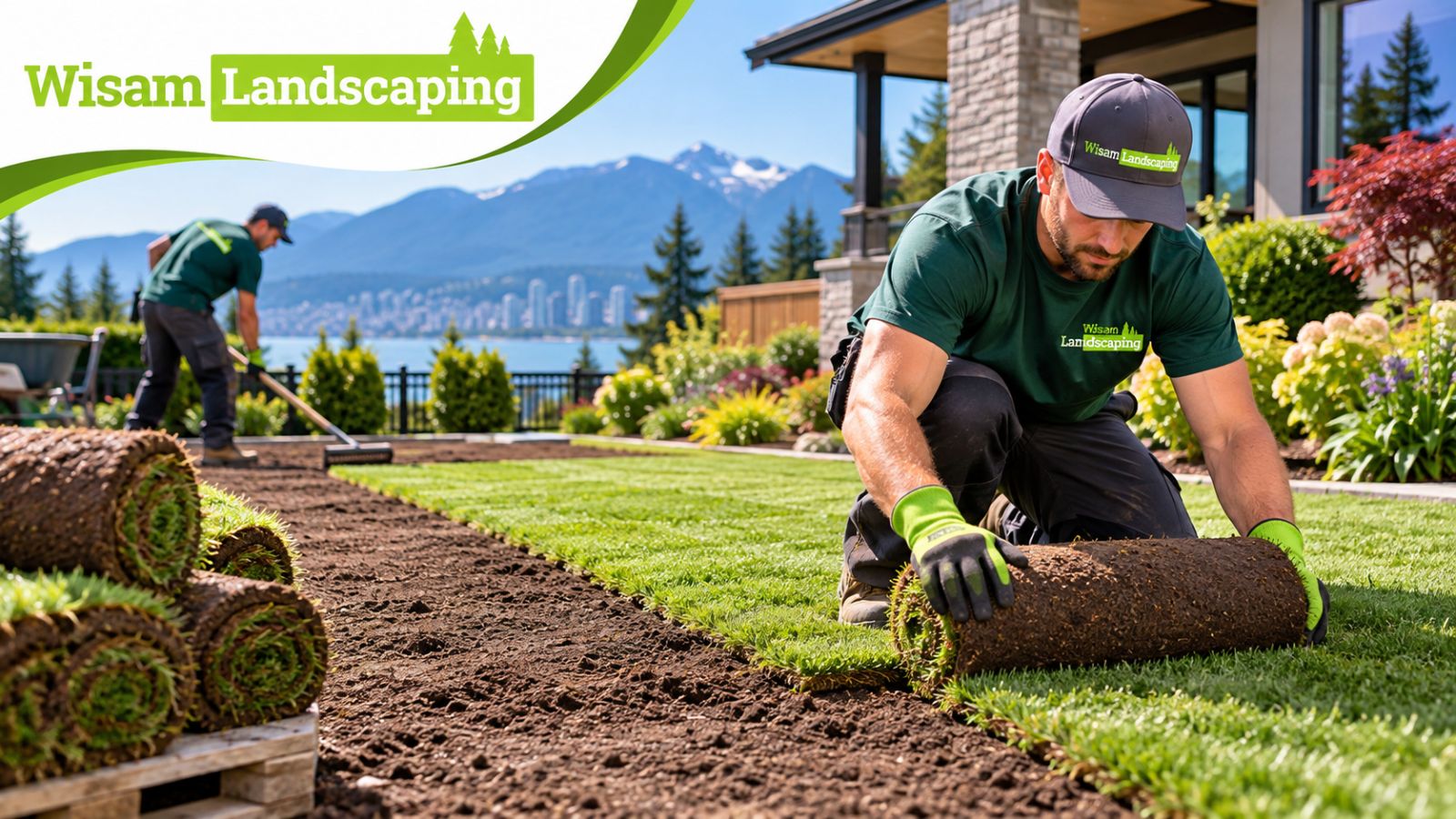
A new lawn can completely change how a property looks and feels, but laying fresh turf is not simply a matter of rolling out grass and watering it. The condition of the soil, timing, moisture, drainage, installation technique, and early care all influence whether new sod develops strong roots. Understanding common Sod Installation Mistakes before starting can help Vancouver homeowners avoid wasted material, patchy growth, premature drying, and unnecessary replacement costs. With proper preparation and aftercare, Sod Installation Vancouver projects can establish a healthy, attractive lawn that is easier to maintain over time.
Fresh sod already contains established grass plants, but the turf still needs to develop roots into the soil underneath. Until that happens, the new lawn depends heavily on correct moisture, soil contact, temperature, and aftercare.
One of the most common misunderstandings is assuming that freshly laid sod is immediately established. It is not. The roots need time to move from the original growing medium into the prepared soil. If the soil is compacted, excessively dry, poorly graded, or unsuitable for rooting, even high-quality sod can struggle.
A successful lawn therefore starts before the first roll of turf reaches the ground. Good installation is a combination of Soil Preparation, accurate laying, sufficient watering, and careful monitoring during the establishment period.
Soil preparation is one of the most important stages of any Lawn Installation project. Yet it is also an area homeowners sometimes rush because the soil will eventually be covered by grass.
That approach can create problems that are difficult to correct later.
Different properties can have very different soil conditions. Some yards contain compacted construction soil, while others have heavy clay, sandy areas, poor drainage, or soil that has lost organic matter over time.
Before installing sod, inspect the existing ground rather than assuming it is suitable. Remove construction debris, rocks, excessive roots, old turf, and other materials that could interfere with root development. Where necessary, amend the soil based on its actual condition.
Compacted soil has fewer air spaces, which can make it harder for roots to penetrate and water to move properly. Heavy foot traffic, construction equipment, or years of repeated use can all contribute to compaction.
Breaking up compacted areas and establishing a suitable soil depth gives new grass a better environment for rooting. The goal is not simply to create loose soil at the surface; the prepared layer needs enough structure to support healthy root development while allowing appropriate drainage.
A lawn that looks reasonably flat before installation can still contain subtle dips and high spots. Once sod is installed, these uneven areas can become much more noticeable.
Low spots can collect water, while raised areas may dry faster and create mowing problems. Proper grading and levelling before laying turf can improve both appearance and drainage.
Not every type of sod performs identically in every location. Grass selection should take into account factors such as sunlight, shade, expected foot traffic, soil conditions, maintenance preferences, and local growing conditions.
A lawn surrounded by mature trees, for example, may have very different requirements from an open yard receiving several hours of direct sunlight. Similarly, a family lawn used frequently by children and pets may require different considerations from a decorative front lawn.
Before ordering turf, examine how the property behaves throughout the day.
Consider:
Choosing sod based solely on appearance can create problems if the grass is poorly suited to the actual growing environment.
Once the soil is prepared, installation needs to be handled carefully. Fresh sod should be installed as soon as practical after delivery because the rolls can heat up and lose moisture when left stacked for too long.
The pieces should be laid tightly together without excessive overlapping or large gaps.
Small gaps may appear insignificant when the lawn is first installed. However, exposed soil between rolls can dry quickly and create visible lines across the lawn.
Place each piece firmly against the next without stretching the sod. Avoid forcing pieces together so aggressively that the edges curl or overlap.
Overlapping pieces can create raised edges and uneven surfaces. These areas may also dry differently from the surrounding turf.
Think of the installation like laying flooring. The pieces need to meet neatly while maintaining a relatively even surface across the entire lawn.
When laying multiple rows, stagger the seams rather than creating continuous lines across the lawn. This helps the finished area look more natural and can reduce the appearance of obvious seams as the grass establishes.
On slopes, installation direction also deserves attention because poorly positioned pieces can be more vulnerable to movement or erosion before roots develop.
Watering is one of the most important aspects of early Turf care. Freshly installed grass can dry out quickly because its roots have not yet established themselves deeply in the underlying soil.
However, watering more is not automatically better.
If new sod becomes excessively dry, the grass can wilt, turn brown, and develop weak or uneven establishment. The edges and corners are often particularly vulnerable because they can dry faster than areas in the middle of the lawn.
During the establishment period, check the soil beneath the sod rather than relying only on the surface appearance. The exact watering frequency should respond to weather, soil type, drainage, sun exposure, and seasonal conditions.
Excessive irrigation can create a different set of problems. Waterlogged soil can restrict oxygen around developing roots and contribute to poor Lawn Rooting.
Frequent shallow watering can also encourage roots to remain close to the surface rather than developing deeper into the soil. A sensible watering approach should provide sufficient moisture while allowing the soil environment to remain suitable for root growth.
One of the most useful ways to evaluate new sod is to consider what is happening underneath the grass.
During successful establishment, roots gradually move from the sod into the prepared soil. This process creates a stronger connection between the grass and the ground and eventually reduces the lawn’s dependence on frequent irrigation.
Homeowners can gently test a small section of turf after the initial establishment period. If the sod lifts very easily, the roots may not have established sufficiently yet.
Do not repeatedly pull up the turf to check it, because disturbing developing roots can slow the process. Instead, monitor the lawn’s overall condition, moisture levels, and resistance to gentle movement.
Strong rooting is a gradual process rather than something that happens immediately after installation.
New turf needs time to settle and root. Excessive foot traffic during this period can shift individual pieces, create uneven surfaces, compress the soil, and interfere with developing roots.
This can be especially challenging for families with children or pets. If possible, keep traffic to a minimum until the turf has established sufficiently.
If a particular section of the yard needs to remain accessible, plan the lawn layout accordingly. Temporary pathways or alternative access routes can reduce pressure on newly installed areas.
This is particularly important around entrances, outdoor entertaining areas, gates, and frequently used pathways. Protecting the lawn during its vulnerable early stage can prevent avoidable repairs later.
Fresh sod should not automatically be mowed as soon as it reaches the height you normally prefer. The lawn first needs enough rooting to remain stable during mowing.
Cutting too early can pull at loose sections and disturb developing roots. Waiting too long can also create problems if the grass becomes excessively tall.
Once the lawn is established enough to mow, use a properly maintained mower with sharp blades. Avoid removing too much grass in a single cut.
A gradual mowing approach is generally easier on developing turf. Mowing height should also reflect the grass type, growing conditions, and season rather than following one universal number for every lawn.
Water that consistently pools in one part of a yard is usually a sign that something needs attention. Installing fresh sod over an existing drainage problem does not solve the underlying issue.
Poor drainage can contribute to weak roots, disease pressure, muddy areas, and inconsistent growth.
Observe the property after rainfall. Look for areas where water remains significantly longer than elsewhere.
Possible contributing factors include:
The appropriate solution depends on the property. In some cases, grading or soil improvement may help. In others, more specific drainage measures may be necessary.

Not every struggling lawn requires complete replacement. Some lawns can recover through improved watering, aeration, soil improvement, overseeding, or targeted repairs.
However, extensive deterioration may make replacement more practical.
For homeowners considering Sod Replacement Vancouver, first identify why the existing lawn failed. Replacing turf without correcting the underlying problem can simply repeat the same cycle.
A lawn may deteriorate because of:
Understanding the cause is more important than simply replacing what is visible.
Sod should be considered part of the wider Landscaping plan rather than an isolated feature. Trees, garden beds, pathways, drainage, fences, irrigation, and outdoor living areas can all affect lawn performance.
For example, a new lawn beneath dense tree cover may require different maintenance from an open lawn in full sun. Similarly, a downspout that continually releases water onto one section can create problems regardless of how carefully the sod was installed.
Before installation, identify trees, garden borders, pathways, irrigation components, drainage points, and structures.
Good planning can reduce the need to cut small pieces of sod into awkward shapes. It can also make future mowing and maintenance easier.
One common misconception is that expensive sod will automatically produce a perfect lawn. Quality turf matters, but installation and aftercare remain critical.
Another misconception is that brown patches always mean the grass is dead. Temporary stress can occur during establishment, particularly during periods of heat or insufficient moisture. Before replacing a section, investigate the cause.
It is also a mistake to assume that rain eliminates the need for monitoring. Natural rainfall varies significantly in amount and distribution, and one rainy day does not necessarily provide enough moisture for newly installed turf.
For homeowners planning a new lawn, the following approach can make the process more manageable:
One of the biggest practical lessons in lawn installation is that the first week is only the beginning. Homeowners naturally focus on how the new grass looks immediately after installation, but long-term Turf Health depends on what happens over the following weeks and months.
A lawn that looks excellent on installation day can struggle if its roots cannot penetrate the soil. Conversely, slightly stressed turf may recover well when moisture, soil conditions, and maintenance are corrected.
For this reason, experienced landscaping work focuses on establishment rather than appearance alone. The objective is to create the conditions for roots to develop, grass plants to strengthen, and the lawn to tolerate normal use once established.
If you are planning a new lawn, Wisam Landscaping can be considered as a local landscaping provider when assessing your installation requirements. Discussing the condition of the existing soil, drainage, sunlight, lawn use, and desired outcome before work begins can help create a more suitable installation plan.
For homeowners dealing with an established lawn that has deteriorated, Wisam Landscaping can also be considered when exploring whether targeted lawn improvements or Sod Replacement Vancouver is more appropriate. The important step is to identify why the lawn is struggling before deciding on a replacement.
The biggest Sod Installation Mistakes are often not dramatic. They are small decisions—skipping soil preparation, rushing installation, leaving gaps, watering incorrectly, walking on fresh turf, or ignoring drainage—that can collectively affect the final result.
A successful lawn begins below the surface. Good Soil Preparation, appropriate grass selection, careful installation, a sensible Watering Schedule, and patience during Lawn Rooting all contribute to healthier turf.
When homeowners understand these factors before starting, they can make better decisions about Sod Installation Vancouver and avoid treating preventable lawn problems as inevitable. The goal is not simply to install attractive grass on day one, but to create a lawn that has the conditions it needs to establish, grow, and remain useful for years.
Root establishment varies according to grass type, soil conditions, weather, irrigation, and installation quality. Some initial rooting can occur relatively quickly, but a fully established root system takes longer. Instead of relying on a fixed number of days, monitor whether the turf is becoming firmly attached to the soil and whether new growth is developing. Avoid excessive traffic and continue appropriate irrigation during the establishment period.
There is no single watering schedule that works for every Vancouver property. New sod needs consistent moisture while its roots establish, but the amount and frequency depend on temperature, rainfall, soil type, drainage, shade, and sun exposure. Check the moisture beneath the turf and adjust accordingly. The objective is to keep the rooting zone adequately moist without creating persistently saturated soil.
Installing new turf directly over old grass is generally not a good shortcut. Existing vegetation, thatch, uneven surfaces, compaction, and poor soil conditions can interfere with rooting and create an uneven finished lawn. Proper preparation usually provides a more predictable foundation. If the existing lawn is severely damaged, assess the soil and drainage first so the same underlying problems do not affect the new turf.
Some colour change can occur because freshly installed turf experiences transplant stress, but widespread or worsening browning should be investigated. Possible causes include insufficient moisture, excessive heat, poor soil contact, drainage problems, damaged turf, or unsuitable site conditions. Check the soil moisture and inspect whether the sod has good contact with the prepared ground. Avoid immediately assuming that all brown areas are dead.
Replacement may make sense when a lawn has extensive damage, severe deterioration, persistent drainage problems, or widespread areas that cannot reasonably be restored. However, replacement should follow an assessment of the underlying cause. If compaction, shade, drainage, irrigation, or unsuitable grass is responsible, simply installing new turf without addressing that condition can lead to another failed lawn. A site assessment can help determine whether repair or replacement is appropriate.